Creative Paint Tips to Add Depth and Dimension to Small Spaces
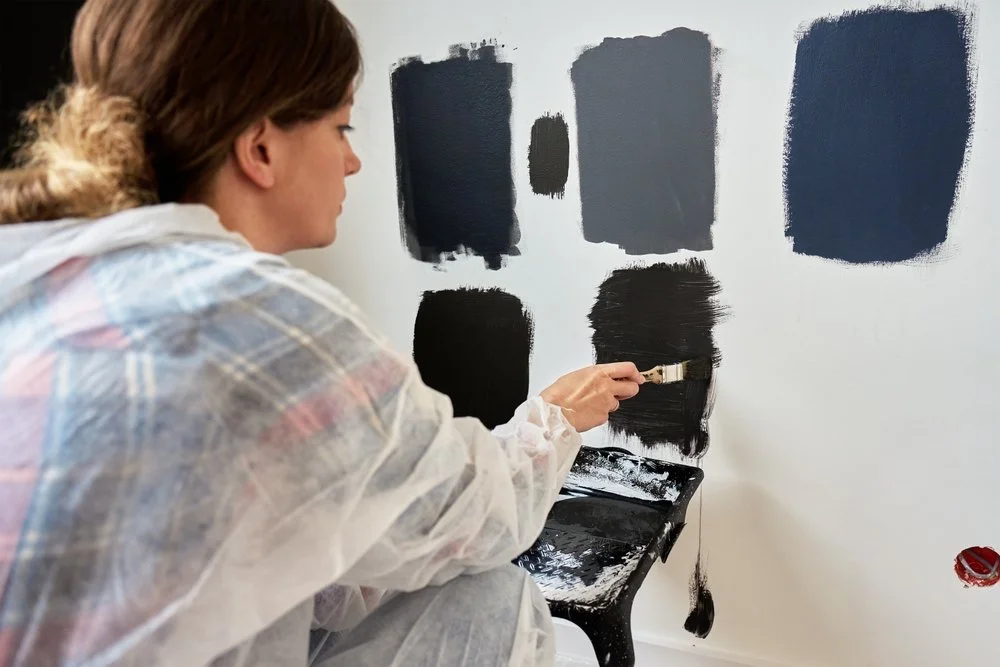
Wall Color Inspiration for Small Spaces
Make the most out of every square inch with the clever use of color and open up the possibilities of any room.
Living small doesn’t mean living flat. Whether you’re working with a studio apartment, a tiny alcove, or a cozy reading nook, your walls have the power to completely transform the feel of your space. With just a few creative paint choices, you can give even the tiniest room a big personality—and a sense of space it technically doesn’t have. Here’s how to use color, shape, and a little imagination to bring depth, style, and charm to your favorite little corners.
Color with a Purpose: Small Room, Big Energy
Let’s start with color strategy. In small rooms, the right paint shade does more than look good—it can stretch walls, raise ceilings, and shift moods.
Light colors reflect more light, instantly making a room feel larger and more open. Think soft whites, warm creams, gentle blues, or muted greens.
Darker shades, surprisingly, can also work in small spaces. Used thoughtfully, a rich hue can make walls recede, creating a feeling of depth and sophistication.
Monochromatic schemes (different tones of the same color) can unify a small space and reduce visual clutter.
Contrasts add dimension. Painting trim or one wall in a different tone can make surfaces feel more dynamic and architectural.
Don’t be afraid to experiment with intensity and shade. It’s not just about light versus dark—it’s about balancing warmth, coolness, and contrast to suit how you want the space to feel.

Light Colors, Bigger Feel
Light-colored walls, like Sherwin-Williams 9166 Drift of Mist shown here, create an open, airy feel while adding subtle, timeless style to small spaces.
The Accent Wall (and Its Better-Looking Cousins)
An accent wall in a bold or deep shade can give a room a dramatic focal point. It draws the eye and makes the space feel layered rather than one-dimensional. But here’s where things get interesting: instead of a traditional accent wall, try paint zoning.
Paint zoning is the art of dividing a room visually using paint. Use different colors or tones to define a “bedroom” corner in your studio, a reading nook, or a workspace—without any actual walls needed. You can even paint a large rectangle or arch behind a bed, desk, or bench to frame it visually. It works like a headboard or room divider, just far more flexible (and cheaper).
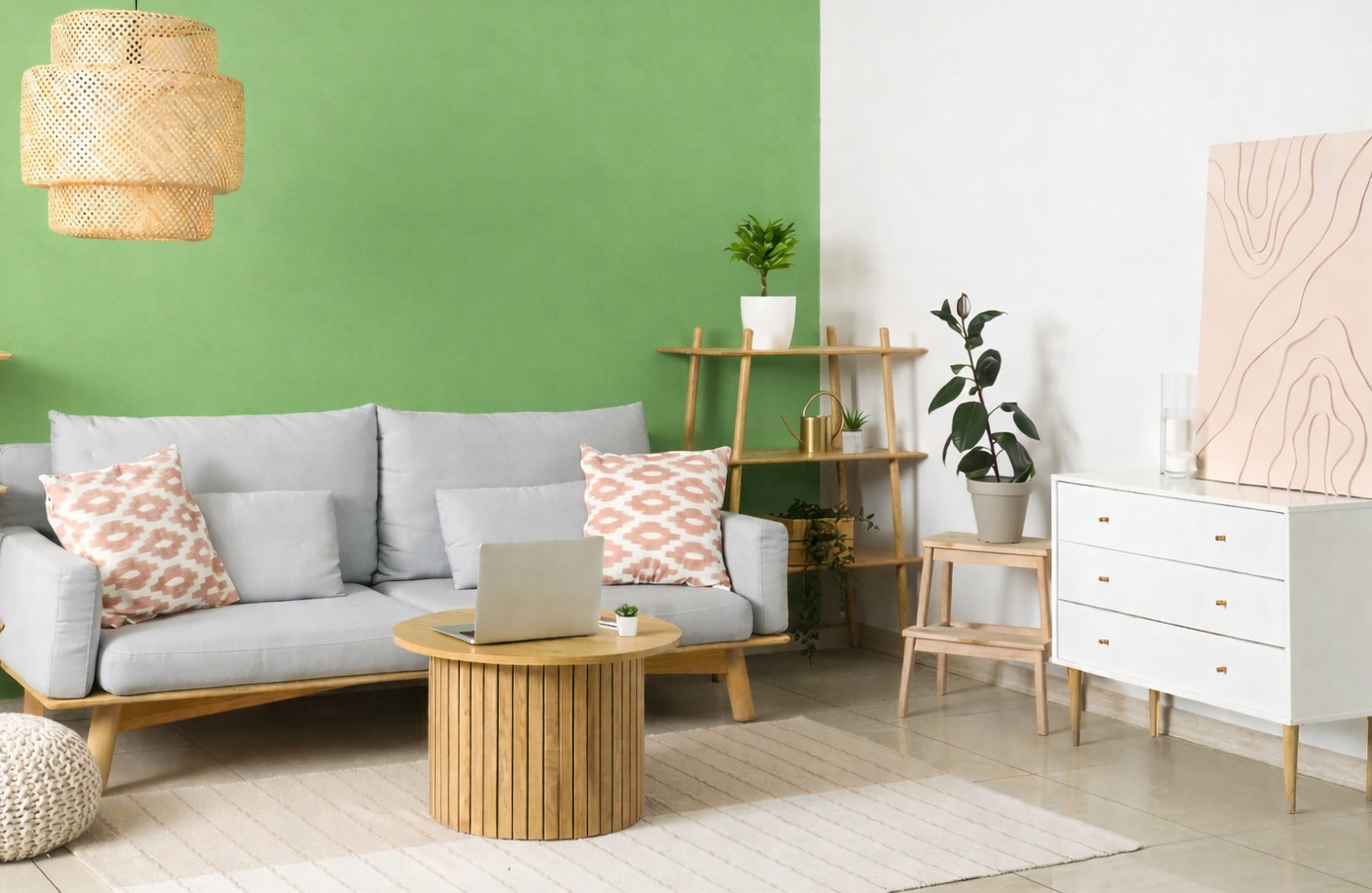
Accent Walls Adds Depth
Make small spaces feel layered rather than one-dimensional with an accent wall—like the one shown here featuring Benjamin Moore Stem Green 2029-40.
Go Vertical to Stretch the Space
In small rooms, anything that draws the eye upward adds the illusion of height. Here’s how paint can help:
Paint the ceiling in a light, warm tone to visually lift it, and use a matt finish to keep light reflection from making the ceiling feel low.
Extend wall color up onto the ceiling- to create a cozy, cocooning effect that helps a space feel more cohesive, says Deanne Angers of Pure Design Interiors. “When it comes to paint in small spaces, there’s no one-size-fits-all approach—light, warm tones can make a room feel more open, while deeper, richer colors create a more intimate feel and add character and warmth.”
Vertical stripes—whether bold or subtle—instantly elongate a space. Try painting narrow floor-to-ceiling lines on one wall in varying shades of the same color.
Even painting just the top third of your wall a different shade than the bottom two-thirds can make ceilings feel higher and the room more spacious.
Architectural Illusions, Courtesy of Paint
You may not have vaulted ceilings or arched doorways, but you can fake a few design details with a steady hand and some painter’s tape.
Arches: Use a rounded shape of paint above a doorway or behind a piece of furniture to simulate built-in curves.
Two-tone walls: Split your walls horizontally—light on top, darker on the bottom—to create the illusion of height and groundedness. You can even use this trick to mimic wainscoting.
Faux paneling: Use vertical blocks of color separated by a thin trim or line of paint to fake the look of panels or molding.
All of these tricks create more visual interest—without adding more stuff.
Nooks, Crannies, and Other Forgotten Spots
Every home has those awkward areas that don’t quite qualify as a room: the space under the stairs, the end of a hallway, that odd bump-out in the corner. Instead of ignoring them, highlight them.
Paint the inside of a nook or alcove in a different shade to make it pop. This can turn a forgotten spot into a cozy reading area, bar zone, or plant display.
Use contrasting trim or door colors in tight hallways or entryways to visually break up the space.
For oddly shaped spaces, consider color blocking in geometric shapes to call attention to the room’s uniqueness instead of trying to hide it.
Paint lets you reframe a space entirely—without knocking down a single wall.
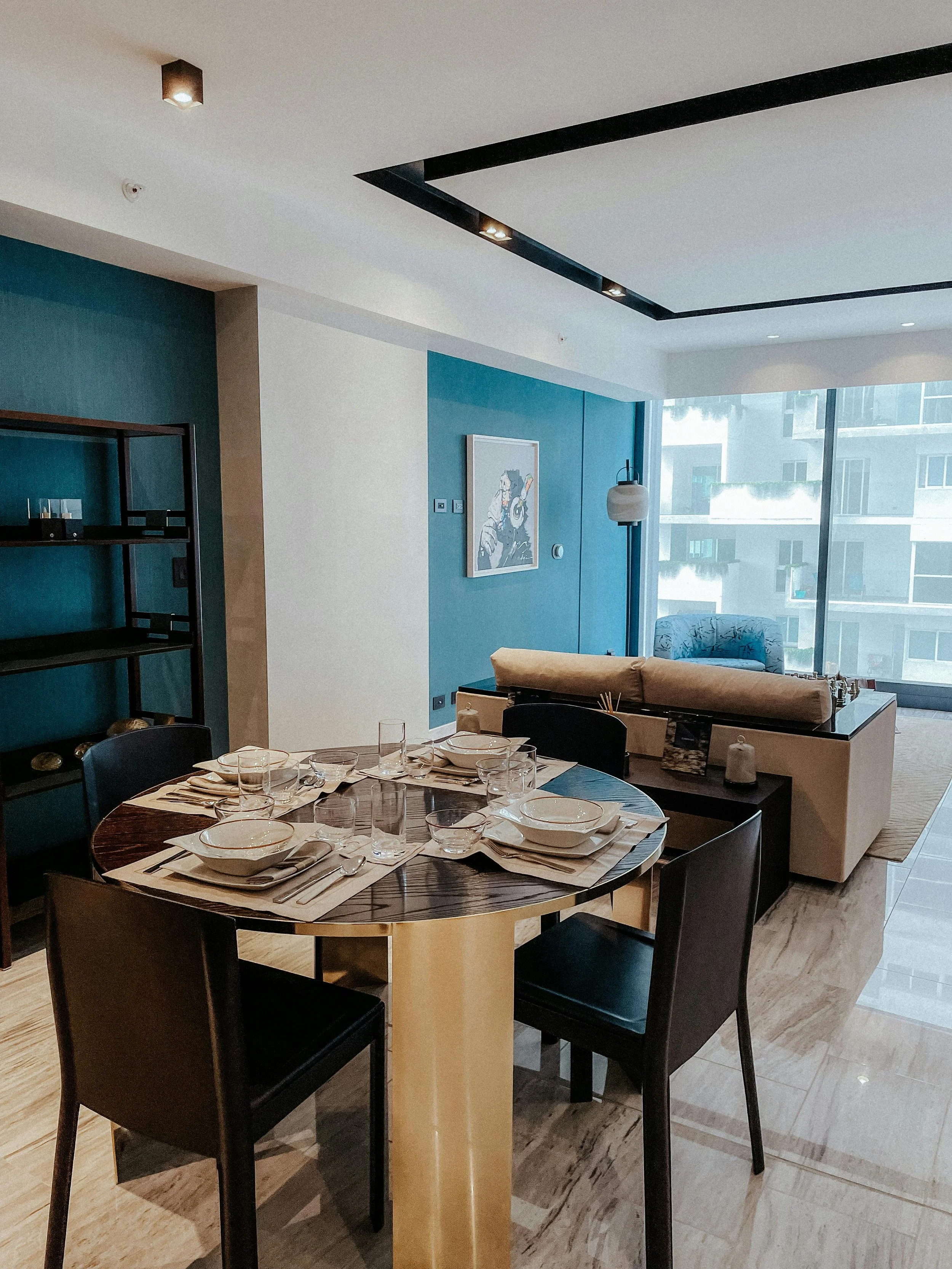
Identify Your Niche
Small spaces benefit from infusions of vibrant color, like the niches shown here in Sherwin Williams HGSW 6509 Georgian Bay.
Micro-Space Makeovers: Studio Living
If you live in a studio apartment, paint can be your best boundary-setting friend. Since everything exists in one open space, use paint to gently separate functions without walls or partitions.
A deep-toned wall behind your bed signals the “sleep zone.”
A soft, neutral block of color in your entry area helps define it as its own space.
Paint a wide rectangle behind your couch to mimic a “living room” zone.
Use arch or curved shapes to create a mini gallery feel around a reading chair.
These changes may seem small, but they completely shift how a studio feels—giving it structure, rhythm, and even a bit of drama.
The Power of Paint Finishes
Finish matters just as much as color. The same hue can feel entirely different depending on its sheen.
Matte finishes absorb light, great for hiding imperfections and creating a soft, modern feel.
Eggshell or satin offers a subtle glow, ideal for bedrooms and living spaces.
Semi-gloss or high-gloss reflects light and works well in kitchens, bathrooms, or on trim to add a crisp, clean contrast.
Mixing finishes can create a rich, layered effect even if you’re only using one color family.
Final Touch: Don’t Just Think Walls
Paint isn’t just for walls. For small-space dwellers, painting unexpected surfaces can open up even more design opportunities:
Paint your furniture to match or contrast with your wall colors.
Paint the backs of shelves or insides of closets for a pop of surprise.
Paint floors in small rooms like entryways, porches, or bathrooms to make them feel styled and intentional.
In small spaces, every inch counts. Why not let each surface help carry your color story?
Wrap-Up: Paint with Purpose (and a Little Playfulness)
The best part about using paint to enhance small spaces is that it’s completely reversible. That means you can get creative without the pressure of permanence. Whether you're stretching ceilings, carving out a cozy nook, or simply adding energy to a dull corner, the right paint approach turns even the smallest space into something full of personality—and maybe even a little magic.
Want to explore this topic further? These resources are a great place to start.
Sherwin Williams- Small Spaces
Benjamin Moore- Paint Colors for Small Rooms